

Keeping Your Dog Safe and Calm During Fireworks
Fireworks season can be one of the most stressful times of year for dogs and their owners. Whether it's Bonfire Night, New Year's Eve, or unexpected celebrations throughout the year, the loud bangs and bright flashes can cause genuine fear and anxiety in our four-legged friends. Understanding how to help your dog cope can make all the difference.
Why Are Dogs So Afraid of Fireworks?
Dogs have incredibly sensitive hearing - they can detect sounds at frequencies we can't even perceive. What sounds loud to us is absolutely deafening to them. Combined with the unpredictable nature of fireworks, the strange smells, and flashing lights, it's no wonder so many dogs find them terrifying.
Signs your dog is stressed by fireworks include
Trembling or shaking
Excessive barking or whining
Hiding or trying to escape
Pacing restlessly
Drooling or panting
Refusing to eat
Toileting indoors (even if house-trained)
Destructive behaviour
Preparing Your Home
Create a safe space
Set up a quiet room or den where your dog can retreat. This should be somewhere they already feel comfortable - perhaps their usual sleeping area. Draw curtains or blinds to block out flashes, and consider playing calming music or leaving the television on to muffle the sound of fireworks.
Make it cosy
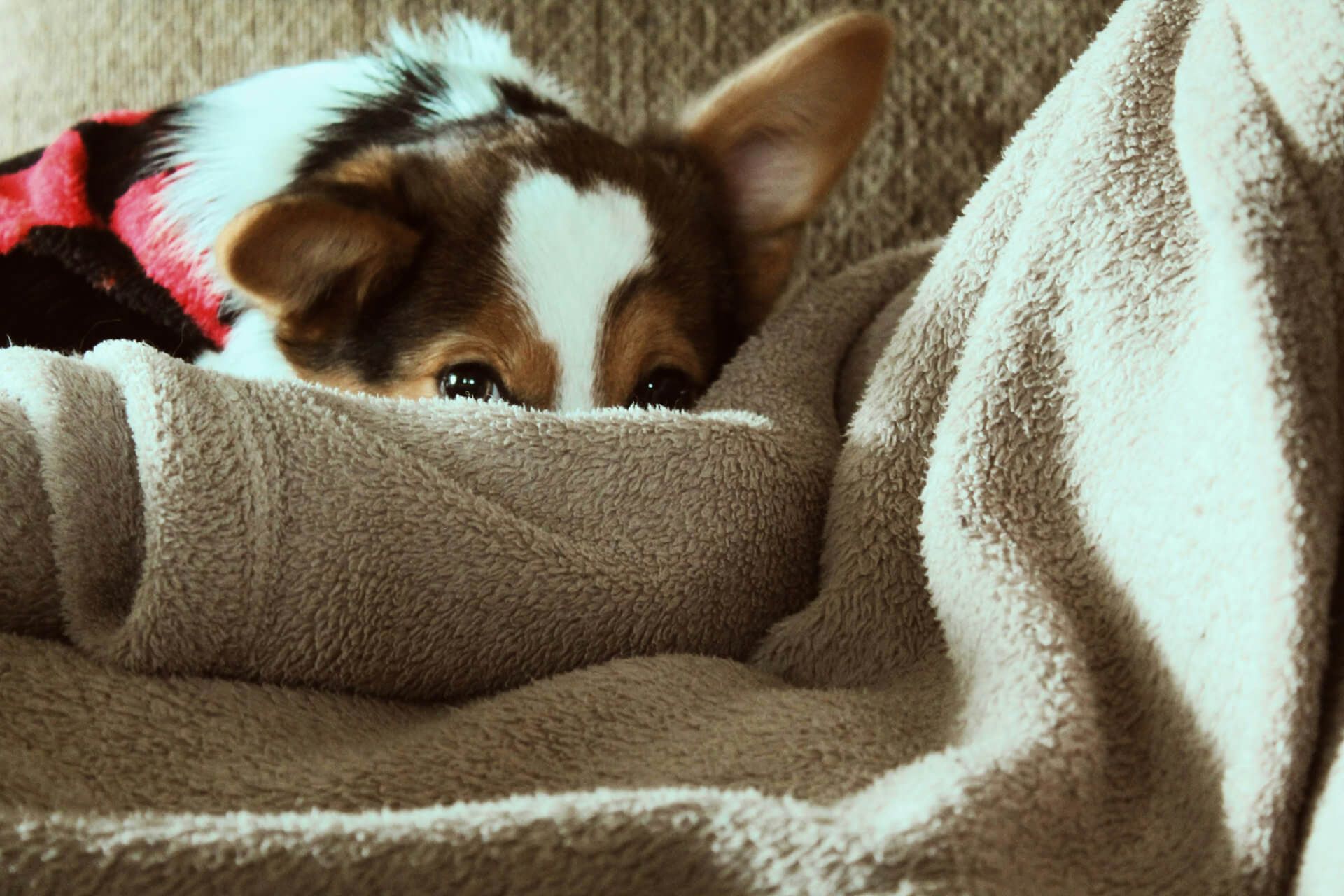
Include their favourite blanket, toys, and perhaps an item of your clothing. Some dogs feel safer in enclosed spaces like under a table covered with a blanket or in a large crate (if they're used to one).
Check your garden is secure
Frightened dogs can panic and try to escape. Check fences and gates are secure well before fireworks season begins. Never leave your dog outside during fireworks displays.
On the Day
Walk early
Take your dog for a good walk during daylight hours, well before any fireworks are likely to start. A tired dog may be slightly calmer, and you'll avoid the risk of being caught outside when fireworks begin.
Feed earlier than usual
Anxious dogs often won't eat, so offer their meal before the fireworks are likely to start.
Keep them inside
Bring your dog indoors well before dusk, even if they normally spend time in the garden. Make sure all windows and doors are closed to reduce noise.
Stay calm yourself
Dogs pick up on our emotions. Try to act normally and remain calm. Don't make a big fuss over fearful behaviour as this can reinforce their anxiety - instead, stay relaxed and matter-of-fact.
Never punish fear
If your dog is frightened, they need reassurance, not telling off. Punishment will only make their anxiety worse.
During the Fireworks
Don't leave them alone
If possible, stay home with your dog during peak fireworks times. Your presence will be reassuring.
Let them hide
If your dog wants to hide under the bed or in a cupboard, let them. Don't force them out - they're trying to cope in their own way.
Distract with activities
For some dogs, playing with their favourite toy or working on a treat-filled puzzle can provide a helpful distraction. However, don't force this if they're too anxious.
Close curtains and mask the noise
Keep curtains closed, and turn on the TV or radio at normal volume to help mask the sound of fireworks.
Long-Term Solutions
Desensitisation
You can help your dog become less sensitive to loud noises through gradual exposure to recorded firework sounds, starting at very low volumes and slowly increasing over weeks or months. This works best when started well before fireworks season.
Calming products
There are various products available that may help, including...
Anxiety wraps or thunder shirts
Pheromone diffusers
Calming supplements (speak to your vet first)
Prescription medication for severe cases (your vet can advise)
Speak to your vet
If your dog's fear is severe, don't suffer in silence. Your vet can provide advice and may prescribe medication to help them cope during particularly stressful events.
Planning Ahead
Check local events
Many councils and local Facebook groups announce planned firework displays. Knowing when they're scheduled helps you prepare.
Consider alternative care
If you know you'll be out during fireworks, consider asking a trusted friend or family member to stay with your dog, or contact us at Homes and Hounds about our pet sitting services.
Microchip and ID
Ensure your dog is microchipped and wearing a collar with up-to-date contact details. Sadly, many dogs go missing during fireworks season after panicking and escaping.
If Your Dog Goes Missing
If the worst happens and your dog escapes:
Contact local vets, rescue centres, and dog wardens immediately
Register them on DogLost (www.doglost.co.uk)
Post on local Facebook groups and community pages
Put up posters in the local area
Check your home and garden thoroughly - frightened dogs sometimes hide in unusual places
A Kind Reminder to Firework Users
If you're planning a firework display at home, please consider the impact on local pets and wildlife. Let your neighbours know in advance so they can prepare, and try to finish before 10pm. Better yet, consider attending an organised display instead of hosting your own.
You're Not Alone
Fireworks anxiety affects countless dogs across the country. With preparation, patience, and the right support, you can help your dog feel safer and more secure. Remember, what seems like "just fireworks" to us can be genuinely terrifying for them.
If you need support caring for your anxious dog during fireworks season, or have any questions about helping them cope, please don't hesitate to get in touch with the Homes and Hounds team.
Stay safe, and give your furry friend an extra cuddle from us.